
Innovative Solar Demand Response
WINNER: Popular Choice Award – Second Prize

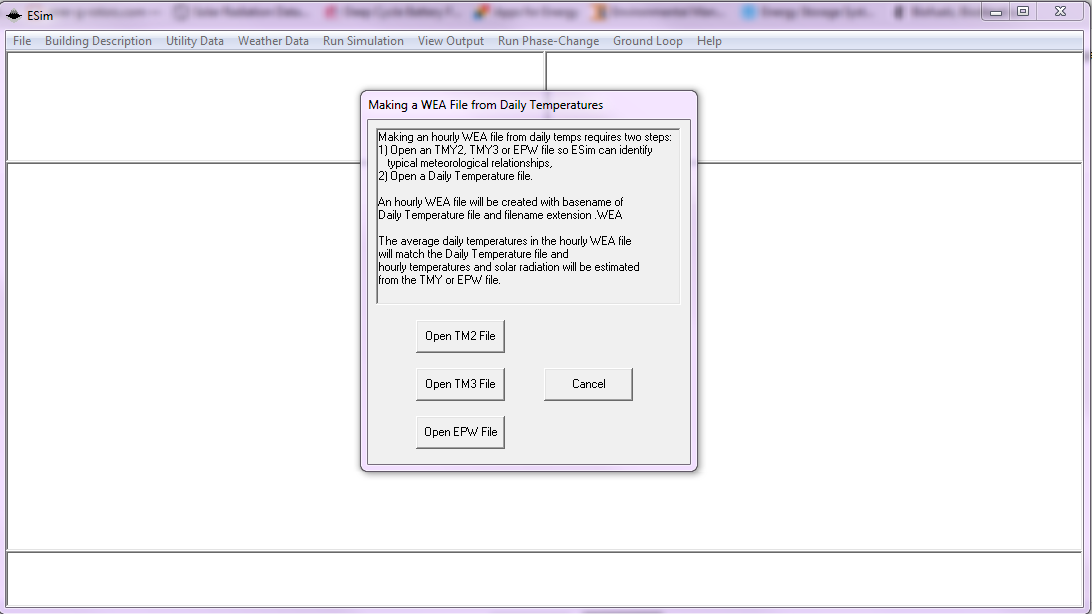
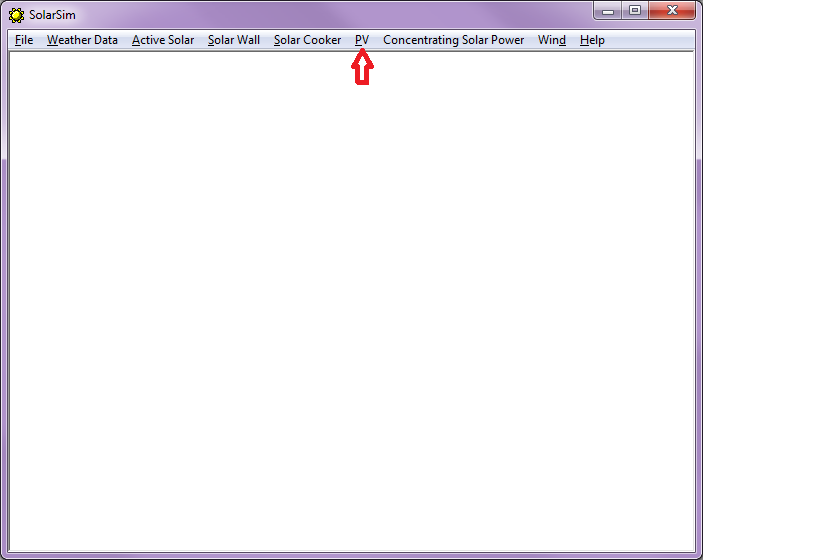
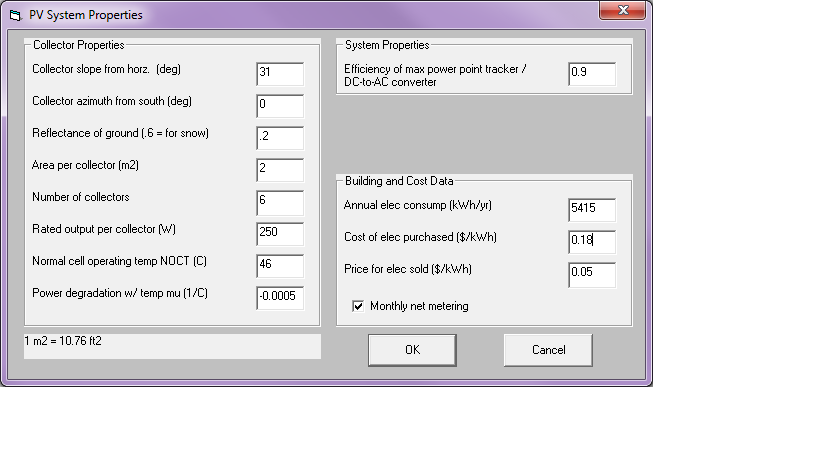
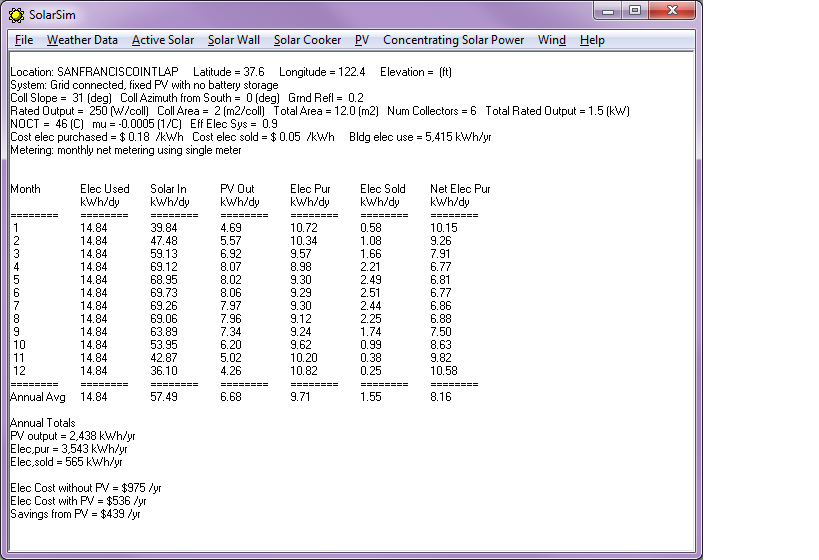
ABSTRACT Grid-connected solar photovoltaic (PV) systems are gaining popularity as consumers look to embrace renewable energy technology and lower energy bills. Traditional grid-tied solar PV can meet electrical loads in a home when solar radiation levels enable adequate generation of electricity. The amount of solar generation available to a home varies directly with the amount of solar radiation at any point in time. This approach has helped many reduce electricity consumption, but the impact on demand reduction has not been significant. This is largely due to the fact that residential demand happens between 5:00 pm to midnight during weekdays; a time when solar PV generation is not always available.
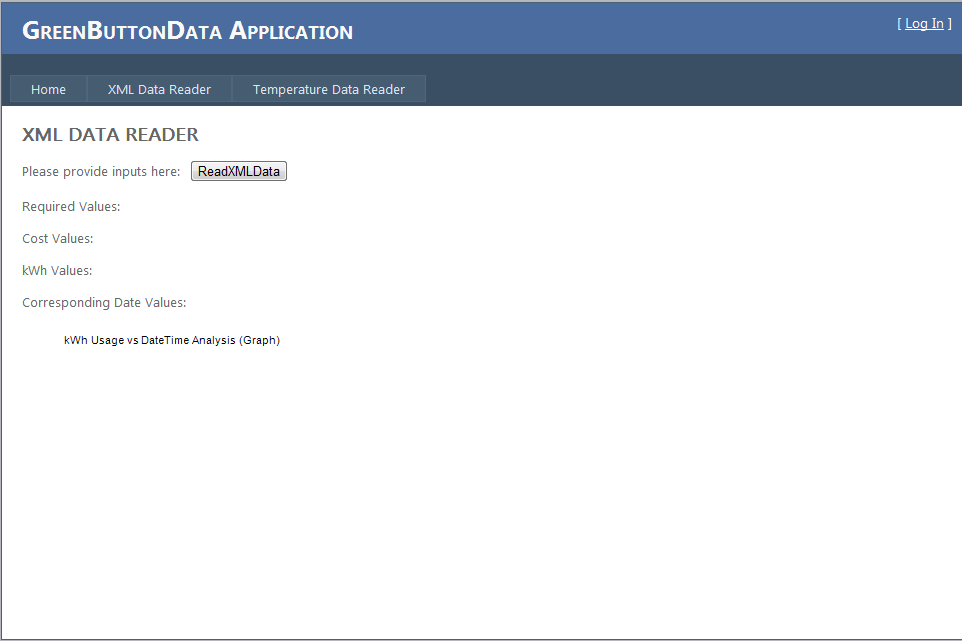
We hereby propose our “Innovative Solar Demand Response” tool, which utilizes Green Button Data to size a Solar PV and a battery system based on average peak energy demand of a home during different hours of the day. The idea is that the battery would be charged by solar PV during daytime (when solar radiation is available) and a charge/discharge controller would be responsible for fluctuating battery system output to offset demand as it rises above the minimum average demand of the building throughout the year.
According to U.S. Department of Energy, an average home uses about 11,000 kWh annually. The house we chose for our test run, which is in Berkeley, CA, has an annual energy consumption of 7,644 kWh. The peak demand for this house occurred between 6:00 pm and midnight and has a maximum average hourly peak demand of 1.1 kW. We executed our software on the Green Button Data to find that this house would need a 1.5 kW solar PV system with two 12-V, 450 Ah batteries. This would allow the system to shift the maximum average hourly peak down to 0.4 kW consistently throughout the year. According to Go Solar California, approximately 114,450 solar installations have already occurred in California. If these existing systems performed as described in this case study, over 80,000 kW of peak demand could be reduced each day.
The proposed solution could save around one-third of a residential customer’s energy bill and has the potential to save even more as time-of-the-day pricing is more widely distributed. Future development could also integrate weather forecasts to allow more effective control of the battery power usage. Inverse building models allow electrical consumption to be accurately predicted at various outdoor air temperatures. Incorporating these features into a solar PV control system would achieve significant demand reductions and financial gains for a residential customer.
20 comments
Gokulakrishnan Murugesan • almost 14 years ago
Good job
Kalyan Mohan • almost 14 years ago
Innovative
jhansi . • almost 14 years ago
good
Nithin Patil • almost 14 years ago
superb
devaki pasupuleti • almost 14 years ago
Gr8 Idea
Kevin Hallinan • almost 14 years ago
This app can change the world
Barbara Francis • almost 14 years ago
This is wonderful as-is. I downloaded the file and may answer my own question, which is, Did you build in a small circuit to supply to a few lights or something when there's NO power?
Mithun Mohan Nagabhairava • almost 14 years ago
We considered a grid-tied system. We have two approaches to this concept.
One is the battery would be sized based on green button data such that the Solar PV would be charging the batteries during all day (instead of using the generated power right away), and the batteries be powering up the house, instead of grid, for 6 hours (5:00 p.m to 11:00 p.m, which happens to be the high demand time for the house we considered). And the cycle continues.
Another case would be powering up the house simultaneously with both grid and batteries. We have data loggers such as HOBO, which can log the amperage coming into the house on a minute interval. A programmable logic controller would be written in such a way that anytime the peak is crossed beyond the minimum peak demand of the house, house would be powered by both batteries and grid such that the demand level can be maintained. And the batteries would be charged during the daytime (since typically demand for residential happens during the evenings).
Or if the house can't be powered simultaneously, then electric circuits in the house can be retrofitted into two zones (which is not difficult) to make sure some part of the house can be powered by grid and the other part by Solar PV to keep the peak demand levels low.
Thanks for your time and interest!
Mithun Mohan Nagabhairava • almost 14 years ago
Please let me know if you need more clarification!
Barbara Francis • almost 14 years ago
Thank you, Mithun. I can't tell you how much I like your project. One small point: in our case we can count on being without the grid at least a couple of days a year (wind, trees, wires on poles). The emergency juice we need is to run the well pump (rural). Wouldn't it be better to run that normally with grid power until the emergency actually strikes, then shut everything else down and devote the whole pv system w/batteries to keeping the pump running as long as possible? No special circuits, just special circuit breakers. Good luck!
Mithun Mohan Nagabhairava • almost 14 years ago
Ahhh thanks for your love! I am planning to extend this project to a more bigger scale. Please leave your email id here and I will definitely keep you posted.
Durga Prakash • almost 14 years ago
good
Chandru Bhajantri • almost 14 years ago
Super
pat berger • almost 14 years ago
What is the pay back? It would take me over 25 years to get my money back out of a 3kw system. Most inverters only last 10 to 12 years under daily use. I could save 5 cents a kw or about $1.50 per day not counting maintinance. So I would save $547.00 per year If the systems total cost is $13,675.00 in 2012 it would take till 2037 unti I would come out ahead assuming no maintinace cost.
Mithun Mohan Nagabhairava • almost 14 years ago
Pat, thanks for taking time to review our app! The representative house we chose was in Berkeley, CA and it was a good sample to represent all other houses in that area.
When we did sizing the Solar PV and Battery system for this house, we needed only a 1.5 kW, two 12V 250 Ah batteries (10 year life time) and inverter etc. This system is small compared to the typical 3 kW Solar PV we choose for a residential buildings since we are trying to address only anything over baseload demand, which is 0.4 kW in this current scenario, which resulted in around $500 savings. Since, the system is small, the implementation cost would be less compared to a general scenario.
We included Federal Tax Incentives in our calculations and we ended up with a simple payback which is roughly around 8 years for a residential building, and even less for Commercial and Industrial sectors because MACRS, SRECS, state/utility incentives and opting for a loan would better the economics even further. I would be really interested to see how you ended up with 25 years. That sounded really long to me. Could you please send me an email with your calculations to "writemithun@gmail.com", so that I can take a closer look at them.
We are also hoping that if the utilities think this really would help them in terms of demand reduction, we highly suggest them to encourage public with incentives to make this system even more feasible. Please let me know if you have any further question(s).
Mithun Mohan Nagabhairava • almost 14 years ago
And also our description said "According to Go Solar California, approximately 114,450 solar installations have already occurred in California. If these existing systems performed as described in this case study, over 80,000 kW of peak demand could be reduced each day."
This would definitely mean a lot to utilities and state energy production, and hence they should be coming up with incentive programs to make these projects more feasible.
Stefan Graf • almost 14 years ago
Just take a look:
http://www.powerrouter.com/
Mithun Mohan Nagabhairava • almost 14 years ago
Thanks for finding us this! This definitely has resemblance with what we have done, but it is not totally same as ours. We intend to do lot more such as operating battery with temperature forecast, occupant / equipment forecast from users, being able to find out how much would a battery have been charged at any given hour of the year, with the amount of solar radiation data available.
Also, if you take a look at many of the apps submitted for this competition, you would find dis-aggregating the energy usage into what part of it goes into cooling, heating, appliances etc. and then letting the user know what they need to do to reduce the energy bills. There are a lot of applications available online from many years ago in this area. The main difference in terms of concept for new apps compared to the past apps is that the current apps use green button data and have better look and feel. We must have been little similar to powerrouter, but we intend to do lot more in this area.
A Noval • almost 14 years ago
Great idea!
madhu madhu • almost 14 years ago
Nice idea. It would buy out some advantage if we have a centralized battery system where in we can charge it up not only with solar panels but also with other means..like..AC blow out hot air fiercely even that could generate electricity. I might sound completely a novice...:)